
Both the Senate Committee on Commerce, Science, and Transportation and the House Energy and Commerce Committee recently held hearings discussing Section 230 of the Telecommunications Act of 1996. Lawmakers from both parties and expert witnesses alike expressed support for Section 230, acknowledging the critical role it plays in protecting free speech and competition online.
Check out what they’re saying about Section 230 below.
What They’re Saying: Lawmakers
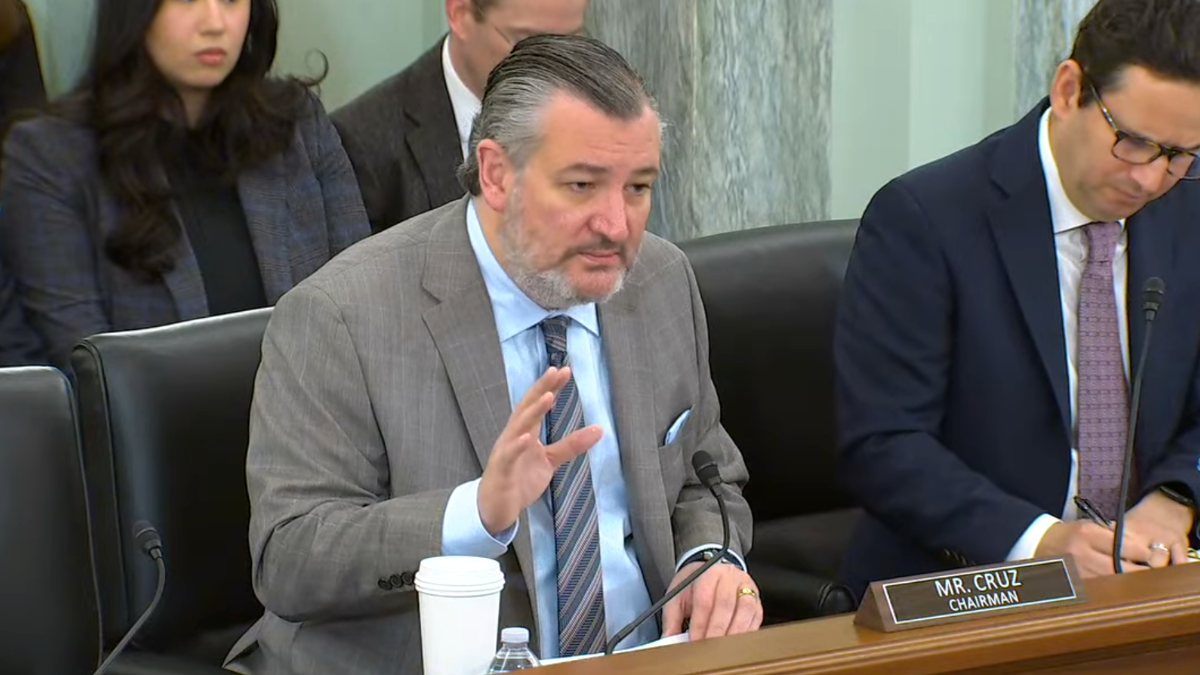
Senator Ted Cruz (R-TX), Chairman of the Senate Committee on Commerce, Science, and Transportation:
“Washington explicitly adopted a light-touch regulatory approach with the enactment of the Telecommunications Act of 1996. Congress included Section 230 to ensure that online platforms would not be liable for the illegal speech of another person. It did so to preserve a competitive free market, and the text of Section 230 explicitly recognized that the Internet provided a quote forum for a true diversity of political discourse. But 30 years later, it seems that Big Tech has now become the new gatekeeper, the new speech police. If you disagree with a particular view, Big Tech doesn’t answer that with more speech. They do not try to persuade.”
“The same reasons why Congress enacted Section 230 to prevent liability for a different person’s speech are still relevant, and I’m concerned that a full repeal or sunset would lead platforms to engage in worse behavior, to engage in more censorship, to protect themselves from litigation.”
Senator Tammy Baldwin (D-WI):
“The Internet can be a place that people turn when information is being limited or attempted to be censored by the government. Think about now and recent events, it might be where somebody accesses information on abortion, LGBTQ identity, scientific research on climate change, or your rights against discrimination in the workplace. So I want to talk about the upsides […] Ms. Keller, can you explain whether and how Section 230 works to protect access to information that people rely on to make informed decisions?”
Senator Deb Fischer (R-NE):
“The challenge before Congress is ensuring that we have both accountability and the environment for free speech expression online, and Section 230 was designed to meet both of those goals.”
Senator Jacky Rosen (D-NV):
“Some websites, like Wikipedia, Reddit, they rely on decentralized content moderation, which is partially why their communities are so vibrant and why people use their websites. So there is a concern that eliminating Section 230 could jeopardize their entire model.”
What They’re Saying: Congressional Witnesses
Nadine Farid Johnson, Policy Director, Knight First Amendment Institute:
“Section 230 protection is vital to free speech online, even if there are difficult questions about how far its protection should extend, questions that the courts are working through right now. While Section 230 should not be treated as sacrosanct, repealing it would do little to address the problems that all of us are most concerned about, and in some ways, it would make those problems worse.”
Matthew Bergman, Founding Attorney, Social Media Victims Law Center:
“I think Section 230 remains an important protection for online communication and for the free exchange of ideas. I think what’s important is that Section 230 adheres to its original intent, which was to immunize publishing activity.”
Matt Wood, Vice President of Policy and General Counsel, Free Press:
“We still favor Section 230. We think it’s important for promoting free expression online. But, it shouldn’t be a get-out-of-jail-free card for companies that are profiting to the tune of billions of dollars, knowingly causing harm and perpetuating that over the course of years, sometimes even decades.”